
Что такое гидросальпинкс, симптомы, причины и лечение
Контент:
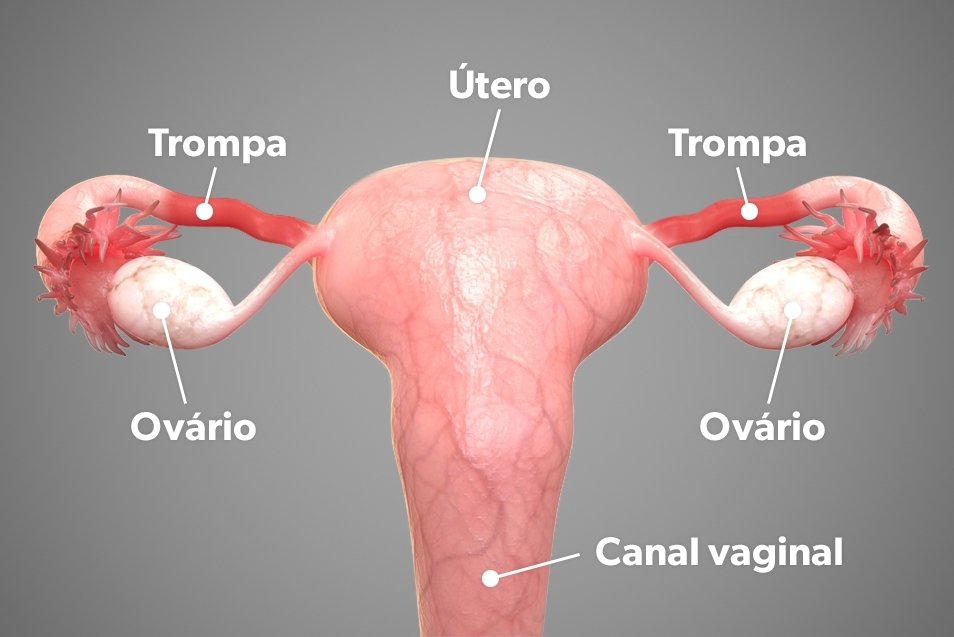
Гидросальпинкс — это гинекологическое изменение, при котором фаллопиевы трубы, широко известные как фаллопиевы трубы, закупориваются из-за наличия жидкости, что может произойти, например, из-за инфекции, эндометриоза или гинекологических операций.
В большинстве случаев гидросальпинкс не приводит к появлению признаков или симптомов, выявляется только во время обычных гинекологических осмотров или когда у женщины возникают трудности с беременностью, после чего назначаются более конкретные обследования. Таким образом, если диагноз подтвердится, гинеколог может назначить наиболее подходящее лечение, которое обычно включает использование антибиотиков и операцию по очистке маточных труб.
Симптомы гидросальпинкса
Большинство случаев гидросальпинкса протекает бессимптомно, однако у некоторых женщин могут проявляться некоторые признаки и симптомы, которые могут различаться в зависимости от их общего состояния здоровья и причины гидросальпинкса, основными из которых являются:
- Кровотечения вне менструального цикла;
- Боль во время полового акта;
- Боль в животе;
- Изменение цвета и консистенции выделений из влагалища, они становятся более жидкими;
- Лихорадка в некоторых случаях;
- Трудно забеременеть.
Хотя есть симптомы, которые могут быть связаны с гидросальпинксом, большинство случаев протекают бессимптомно, и поэтому диагноз ставится только во время обычных гинекологических обследований, таких как трансвагинальное УЗИ, лапароскопия и гистеросальпингография, которые являются более специфическими исследованиями для диагностики этого изменения. поскольку это позволяет идентифицировать изменения, связанные с фаллопиевыми трубами. Посмотрите, как проводится гистеросальпингография и как она готовится.
Можно ли забеременеть при гидросальпинксе?
It is common for women with hydrosalpinx to be infertile, because due to the accumulation of fluid in the fallopian tubes, it is not possible to capture the oocyte released by the ovary and which must be fertilized by the sperm, and even if there is fertilization, this situation does not favor implantation. of the embryo in the uterus, which makes pregnancy more difficult.
However, one of the options that allow pregnancy in women with hydrosalpinx is in vitro fertilization, in which the egg is fertilized by the sperm in the laboratory and then the embryo is implanted in the uterus. Despite this, it is important to discuss with the gynecologist the chances of successful fertilization and the need for other treatments to become pregnant. Understand how in vitro fertilization is done.

Main causes
Hydrosalpinx is often associated with sexually transmitted infections (STIs), mainly chlamydia, syphilis and gonorrhea, in which the infectious agents responsible for these diseases can reach the tubes and cause inflammation, promoting the destruction of the inner layer of the tubes and leading to increased blood pressure. secretion and accumulation of fluids at the site.
Hydrosalpinx can also often be related to Pelvic Inflammatory Disease (PID), which is a condition that happens due to lack of treatment or incorrect treatment of gynecological infections, which may have been caused either by sexually transmitted microorganisms or be due to imbalance. normal flora, in which case it is often related to the bacterium Gardnerella sp. Learn more about DIP and how to identify it.
In addition, other situations that may be related to hydrosalpinx are endometriosis, presence of adhesions in the pelvic region, gynecological surgeries or the presence of tumors in the fallopian tubes or in nearby organs.
How should the treatment be?
Treatment for hydrosalpinx should be indicated by the gynecologist according to the cause of the change and symptoms that the woman may be presenting. In most cases, the doctor indicates the use of antibiotics according to the infectious agent responsible for the hydrosalpinx, in addition to medication to relieve symptoms or regulate the menstrual cycle, for example.
In addition, it is also common for the doctor to recommend surgery to unclog the fallopian tubes and eliminate excess fluid. In more severe cases, removal of the fallopian tubes and structures that may have been compromised may be indicated.



Редакция журнала "Ваше здоровье"
Редакционная группа состоит из врачей и медицинских работников из различных областей, таких как уход за больными, питание, физиотерапия, клинический анализ и фармация.
Обновлено редакцией Tua Saúde в августе 2020 г.
Оставьте ответ
In order to leave comments, you need to log in
0 комментариев